Help for Heroes 'My Recovery' Portal
Digital and service redesign that transformed how veterans access support.
At a glance
old wait for veterans to access support
new wait for veterans to access support
The challenge
Help for Heroes provides life-changing support to veterans - but for a while, accessing that support was harder than it should have been. Veterans struggled to navigate how referrals worked, requests for help moved slowly, and the process itself often stood between someone and the support they urgently needed.
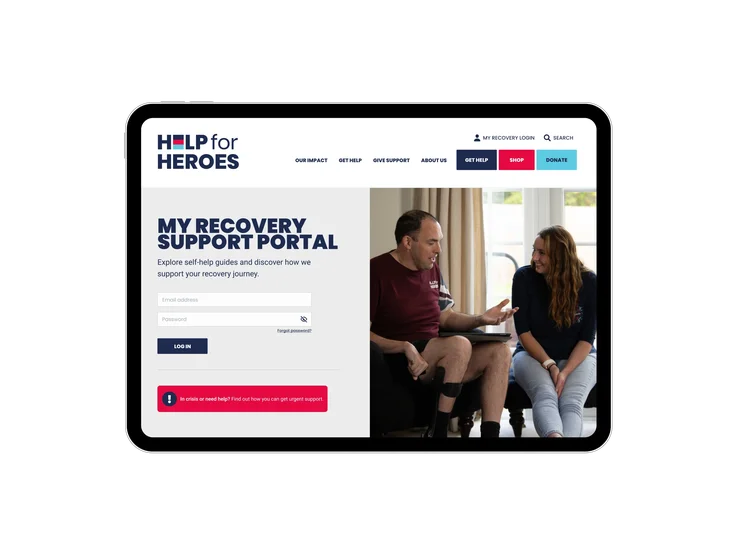
Help for Heroes needed a way to close that gap - a digital front door that could take someone from asking for help to actually receiving it, without the delays and confusion the existing process created.
The solution
We started by talking to the people who actually live with this process every day - charity staff, referrers, and veterans themselves - to understand exactly where things were breaking down. That research shaped every decision that followed, from the structure of the portal to the detail of individual features.
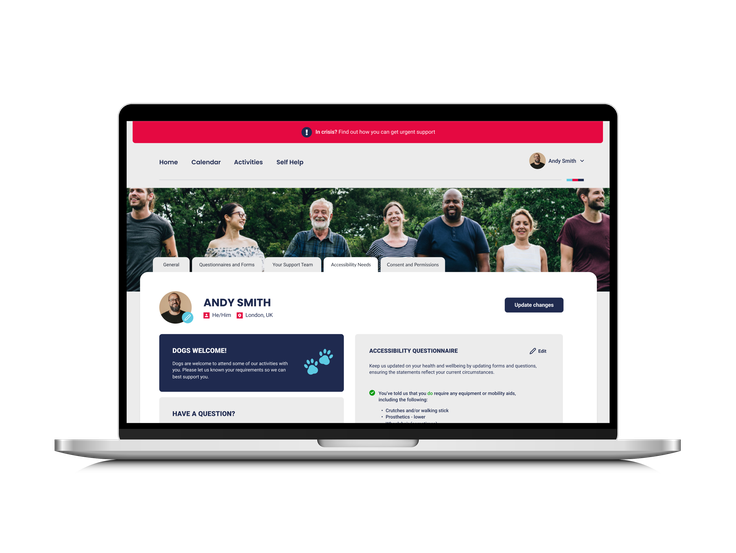
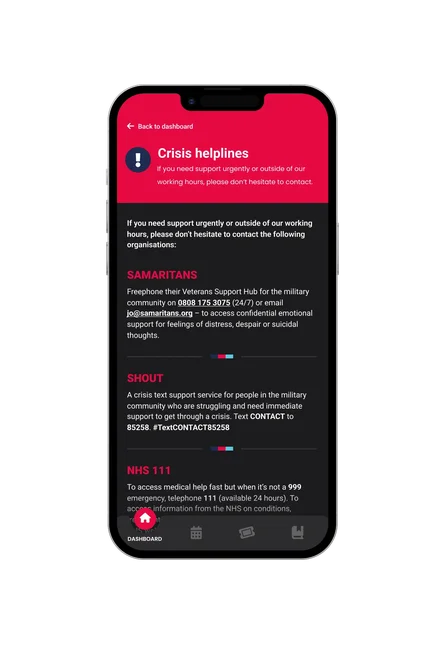
We mapped every route a veteran might take to reach support, making sure none of them led to a dead end. The referral system itself was rebuilt to give both referrers and referees real-time visibility on where a request stood, replacing a process that had previously left people waiting without knowing why.
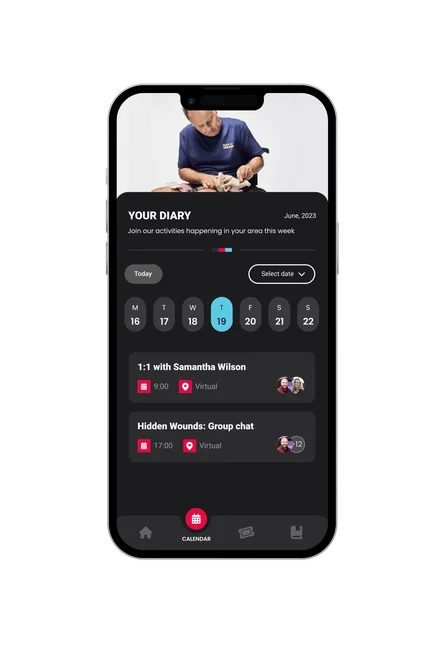
A custom calendar lets veterans book events and appointments directly, fully accessible and connected to the systems Help for Heroes already uses. Behind it, a custom API keeps data moving cleanly between multiple Help for Heroes platforms, so information entered once doesn't need to be re-entered somewhere else. A dynamic form builder lets the support journey adapt to each individual veteran's actual needs, rather than forcing everyone through the same fixed set of questions.
The impact
The clearest measure of success is time. What used to take veterans 3–4 weeks to access now takes 3–4 days - a shift that matters enormously for someone reaching out at a moment of real need, when every day waiting is a day too many.
That speed came alongside genuine care. Referrers and veterans both now have real-time visibility on where a request stands, and a support journey that adapts to individual need means people are met with the right questions for their own situation.




Make sure help arrives when it is needed
Let's talk about transformation that changes how people experience your service.